-
Tokyo Area
Features
-
-
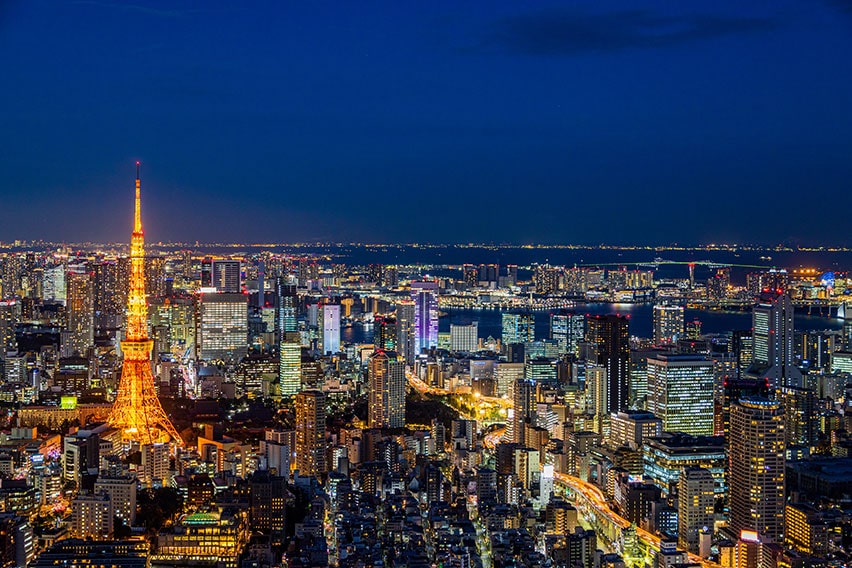
Tokyo tower and night view
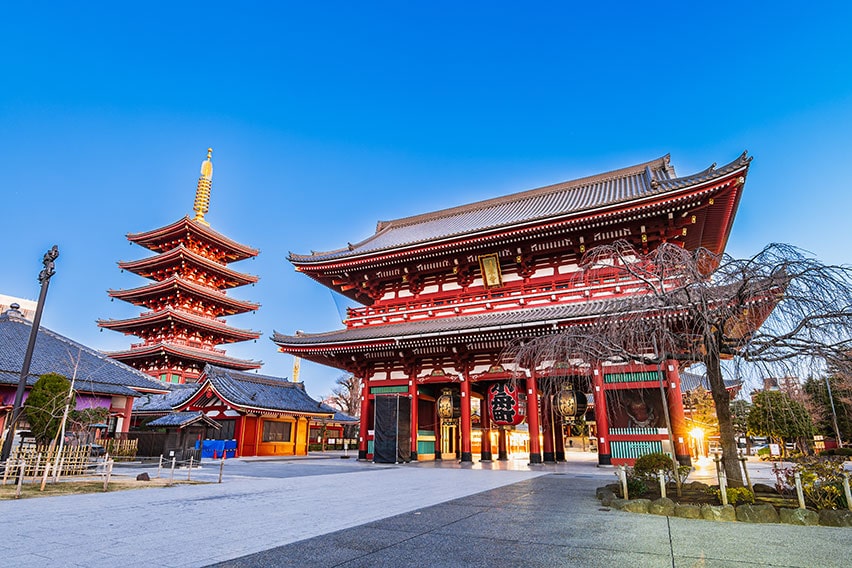
Sensoji Temple
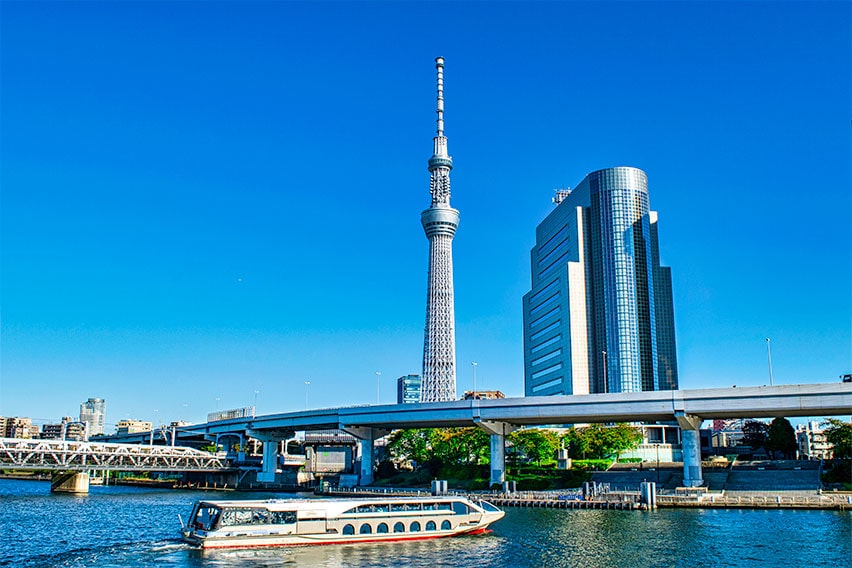
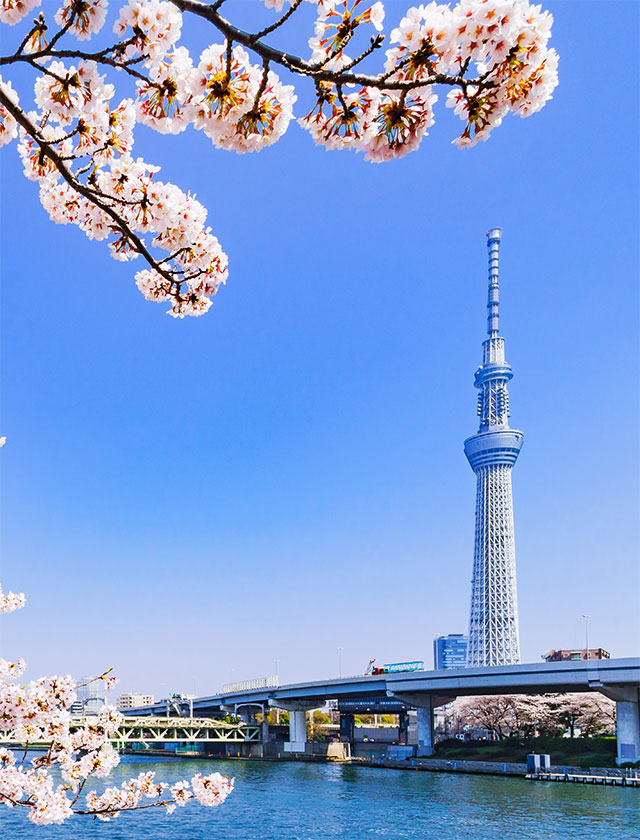
Tokyo sky tree
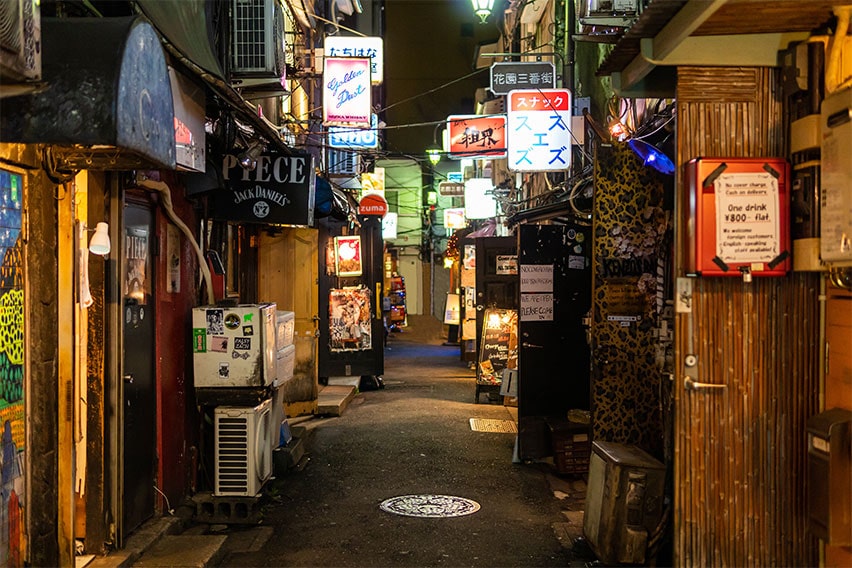
Shinjuku Golden Gai
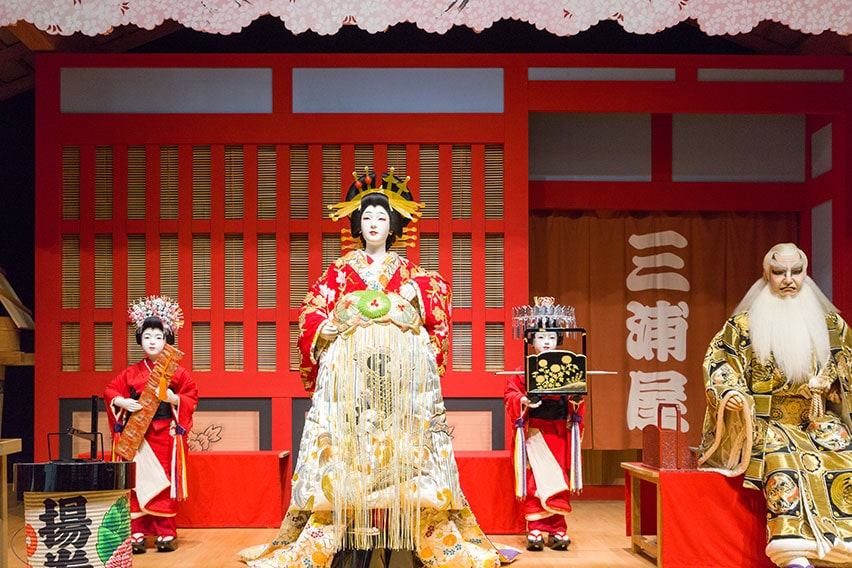
Kabuki
-
-
- 1. An urban landscape where tradition and modernity intersect
- The atmosphere of Edo culture that remains in Asakusa and Nihonbashi, and the modern cityscapes typified by Roppongi and Shibuya. Temples, shrines, gardens, cutting-edge art, and skyscrapers all coexist here, attracting travelers from all over the world.
- 2. Multi-layered charm of food and nightlife
- Tokyo is one of the world's leading food capitals. In addition to Japanese cuisine such as sushi, tempura, and wagyu beef, gourmet food from around the world, food stalls, and bar culture are also developing.
One of the symbols of this is Shinjuku Golden Gai. With more than 200 bars that are just a few square meters in size, it is a ``crossroads of humanity and culture'' where artists, travelers, and locals mingle.
Even though it is a big city, you can experience the warmth of people and conversation at night, which is typical of Tokyo. - 3. Access and accommodation environment that captivates the world
- It has two international airports, Narita and Haneda, and is directly connected to over 100 cities around the world.
There is a wide variety of accommodations, from luxury hotels to boutique hotels to ryokan-style hotels, allowing you to stay according to your purpose, such as corporate training or incentive travel. - 4. Experience touching art, culture, and people
- Kabuki, tea ceremony, Noh, Japanese swordsmithing, traditional crafts.
On the other hand, contemporary art and anime culture are also present, making it possible to have experiences that suit all interests. Nishigaki DMC plans trips that involve deep learning, such as traditional performing arts appreciation, workshops, and cultural exchange programs with local guides.